
IRS Crackdown 2026: Bank Accounts and Assets at Risk for Those Who Delayed Tax Filing

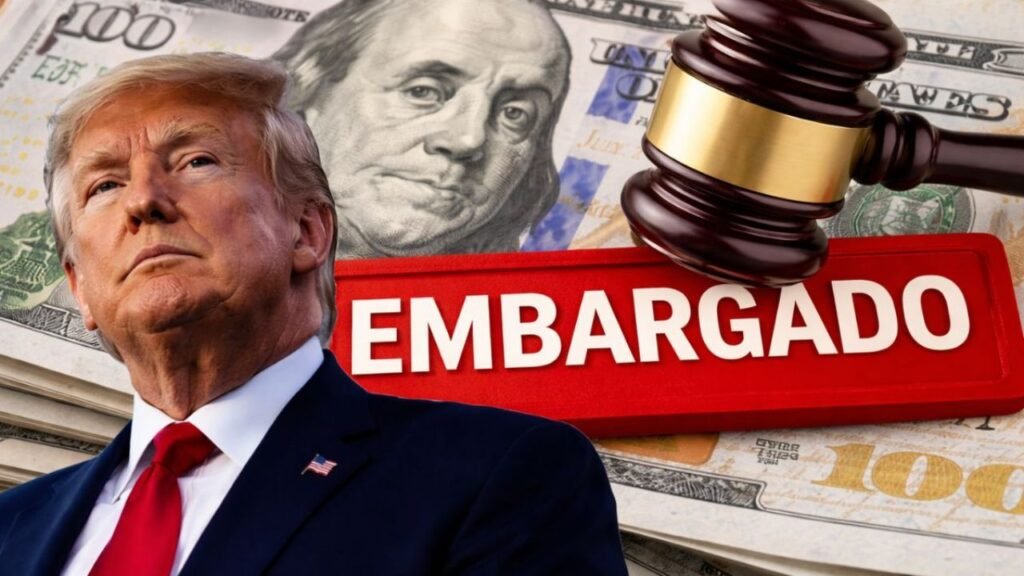
IRS Crackdown 2026 : A major announcement from the IRS has sent shockwaves across taxpayers in the United States. As of April 15, 2026, the agency has intensified enforcement actions, targeting individuals—both citizens and foreign taxpayers—who delayed their tax filings or failed to pay what they owe after requesting extensions.
This aggressive move means that bank accounts, properties, and other assets may now face immediate seizure if tax obligations are not fulfilled on time. If you requested a filing extension, this directly impacts you.
Key Highlights
- IRS begins asset seizures starting April 10, 2026
- Applies to both U.S. citizens and foreign taxpayers
- Targets those who delayed tax payments after extensions
- Bank accounts, properties, and investments at risk
- Limited exceptions for documented hardship cases
What Does IRS Asset Seizure Mean?
The IRS has issued a clear directive: taxpayers who fail to meet extended deadlines without paying their dues may face enforced collection actions. This includes seizing funds directly from bank accounts, placing liens on properties, and even taking control of vehicles or investments.
In many cases, these actions can happen quickly and sometimes without prior warning, especially if the system flags unpaid balances after deadlines pass.
Which Assets Are at Risk?
- Bank accounts (checking and savings)
- Investment portfolios and stocks
- Real estate properties
- Vehicles and other high-value assets
Who Is Affected by This Policy?
U.S. Citizens
Residents who requested filing extensions but failed to pay their estimated taxes are among the primary targets.
Foreign Taxpayers
Non-residents with U.S.-sourced income—such as workers, investors, or business owners—are also fully subject to IRS enforcement.
Business Owners
Self-employed individuals and small business owners who delayed reporting or payments may face increased scrutiny.
Extension vs. Non-Compliance: Critical Difference
Filing for a tax extension (Form 4868) only gives you more time to submit paperwork—it does not extend the deadline to pay your taxes. If you fail to pay the estimated amount owed, your status shifts from compliant to delinquent, triggering enforcement actions.
Why Is the IRS Taking This Step?
During recent years, especially following economic disruptions, millions of taxpayers opted for filing extensions, leading to a buildup of unpaid tax liabilities. With economic conditions stabilizing, the IRS is now accelerating collections to recover these outstanding amounts.
Consequences of Ignoring IRS Warnings
| Consequence | Impact |
|---|---|
| Bank account freeze | Loss of access to funds |
| Penalties | Up to 25% of owed amount |
| Interest charges | Compounding over time |
| Credit impact | Reduced borrowing ability |
For foreign taxpayers, the consequences can extend further, potentially affecting visa status or future immigration processes.
Step-by-Step: How to Avoid IRS Seizure
- Log in to your IRS account via IRS.gov
- Check your current tax balance
- Make a payment using Direct Pay or EFTPS
- Apply for a payment plan if needed
- Consult a certified tax professional
Options If You Already Received a Notice
- File an appeal within 30 days (Form 12153)
- Request a payment plan agreement
- Apply for “Currently Not Collectible” status if facing financial hardship
- Contact the Taxpayer Advocate Service for support
Special Considerations for Foreign Taxpayers
- File using Form 1040-NR if non-resident
- Check tax treaties between your country and the U.S.
- Be aware that U.S.-based bank accounts can be easily targeted
Pros and Cons of IRS Enforcement Measures
Advantages
- Ensures tax compliance
- Recovers unpaid government revenue
- Promotes fairness in the tax system
Disadvantages
- Aggressive enforcement may impact vulnerable individuals
- Risk of sudden financial disruption
- Complex rules for taxpayers to navigate
Real-World Impact
Recent cases have shown taxpayers losing significant savings due to unpaid tax liabilities. In some situations, individuals with debts over $10,000 have seen large portions of their bank balances seized.
These examples highlight the urgency of taking action before enforcement measures begin.
Frequently Asked Questions
What triggers IRS asset seizure?
Failing to pay taxes after requesting a filing extension is one of the main triggers.
Are foreign taxpayers affected?
Yes, anyone with U.S. tax obligations can be targeted, regardless of residency status.
How long do I have to appeal?
You typically have 30 days from the notice to file an appeal.
Can I avoid seizure if I can’t pay?
Yes, by requesting a payment plan or hardship status.
What is the fastest way to pay?
Using IRS Direct Pay or electronic systems like EFTPS.
Will the IRS notify me before action?
In many cases yes, but enforcement can happen quickly if deadlines are missed.
Conclusion
The IRS enforcement policy introduced in April 2026 marks a significant shift toward stricter tax compliance. Both U.S. citizens and foreign taxpayers must act quickly to avoid severe financial consequences.
Review your tax status, make necessary payments, and seek professional advice if needed. Taking immediate action is the only way to protect your bank accounts, assets, and long-term financial stability. :contentReference[oaicite:0]{index=0}
